When Justice Anoop Kumar, a judge of the Delhi High Court, delivered his verdict on Friday, 19 June 2026, the air in New Delhi felt heavy with anticipation. The court rejected a plea filed by Telegram, effectively upholding the Central Government’s decision to temporarily block the messaging app across India. This wasn't just another legal ruling; it was a direct intervention to protect the integrity of the NEET-UG 2026 Re-examinationIndia, scheduled for Sunday, 21 June 2026.
The twist is that this ban isn't permanent. It’s a surgical strike—a temporary restriction lasting until 22 June 2026. But for millions of aspirants whose dreams hang in the balance, those few days matter more than anything else. Here’s the thing: this decision comes after months of controversy surrounding alleged paper leaks and cheating syndicates that allegedly exploited Telegram’s features to disseminate fraudulent content.
The Legal Battle: Why Telegram Challenged the Ban
It started when Ministry of Electronics and Information Technology (MeitY) issued an order under Section 69A of the Information Technology Act, 2000. The directive required all internet service providers in India to render Telegram inaccessible. Why? To prevent what authorities described as "organised cheating networks" from using the platform to leak question papers or spread misinformation during the critical re-test period.
But wait—Telegram didn’t take this lying down. On 17 June 2026, the company filed a petition before the Delhi High Court, arguing that blocking the entire platform nationwide was disproportionate. Their legal team questioned why specific channels or users couldn’t be targeted instead of shutting down access for everyone. After all, Telegram has over 500 million users globally, and many innocent Indians rely on it for daily communication.
The court heard arguments on 18 June 2026 but reserved its judgment. By Friday morning, lawyers from both sides were back in court. Representatives of the Central Government argued that Telegram had become a hub for cybercriminals and exam fraudsters. They pointed out how easily messages could be edited to create fake evidence of paper leaks—an allegation echoed by the National Testing Agency (NTA).
Court's Ruling: Proportionality Over Privacy Concerns
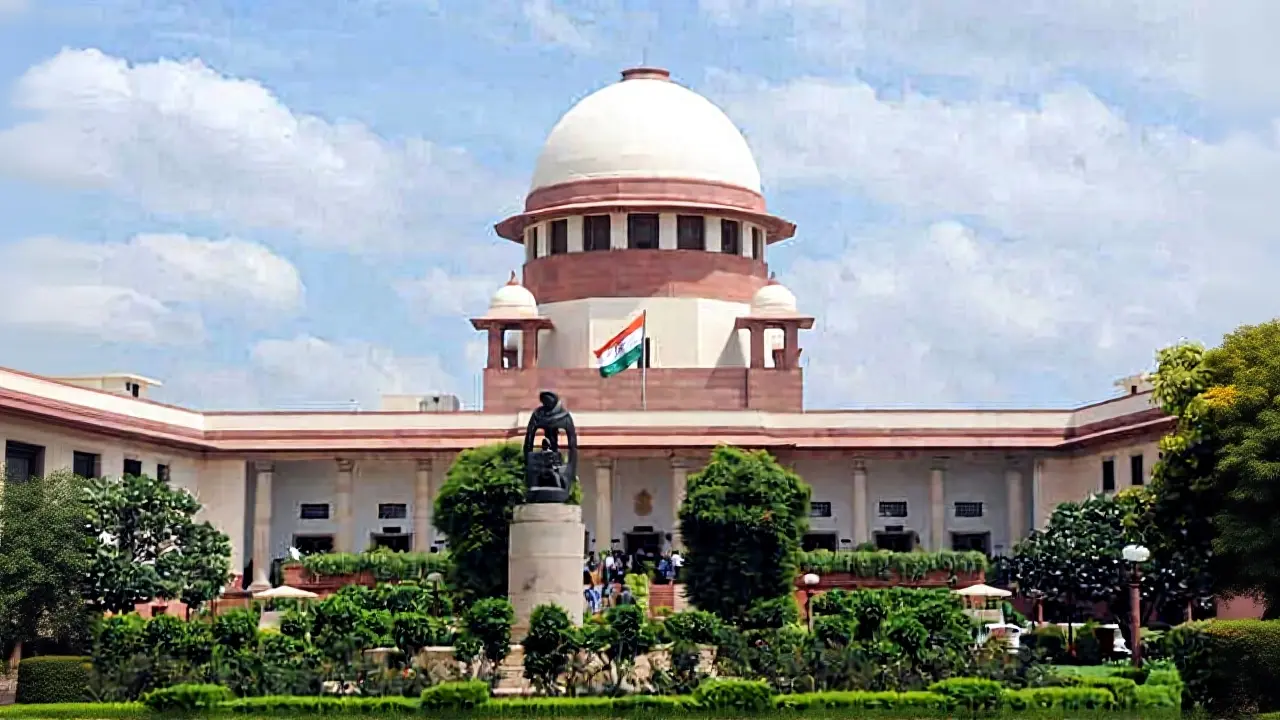
In its final decision, the Delhi High Court sided with the government. Justice Anoop Kumar emphasized that the temporary nature of the ban made it a proportionate measure given the stakes involved. "The integrity of national examinations cannot be compromised," he stated, adding that the risk of widespread malpractice justified the sweeping restrictions.
This marks a significant precedent in Indian jurisprudence regarding digital rights versus public interest. While privacy advocates have long criticized blanket bans under Section 69A, the court here prioritized the immediate need to safeguard an examination affecting over 22 lakh students. Interestingly, some student groups welcomed the move, seeing it as a step toward fairness.

Impact on Students and Exam Security Measures
For the more than two million candidates retaking the NEET-UG test, the news brought mixed emotions. Some felt relieved knowing extra precautions were being taken. Others worried about losing access to study materials shared via Telegram groups. One aspirant from Delhi told reporters, "I understand why they did it, but it does make preparation harder."
To ensure maximum security, authorities went beyond just banning Telegram. The Indian Air Force was deployed to airlift question papers to various centers across the country. Such measures hadn’t been seen since previous high-profile leaks sparked outrage among students and parents alike.
Security arrangements at exam centers were also tightened significantly. Police presence increased, metal detectors became mandatory, and mobile phones—including smartwatches—were strictly prohibited inside halls. These steps reflect the gravity with which officials are treating this year’s re-examination.
Broader Implications for Digital Governance
This case raises important questions about balancing freedom of expression with national security concerns. As technology evolves so too do methods of cheating and manipulation. Platforms like Telegram offer anonymity and encryption, making them attractive tools for illicit activities—but also vital resources for legitimate discourse.
Experts suggest this ruling may set a template for future cases involving social media regulation during sensitive events. Will other platforms face similar scrutiny if deemed vulnerable to abuse? Only time will tell. What remains clear is that governments worldwide are grappling with how best to manage digital spaces without infringing upon individual freedoms unnecessarily.
What Happens Next?
As of now, Telegram remains blocked until 22 June 2026. After that date, normal services should resume unless extended due to unforeseen circumstances. Meanwhile, preparations continue apace for Sunday’s exam. With heightened vigilance and robust logistics, hopes are high that this time around, things will go smoothly.
Looking ahead, stakeholders await further developments in related investigations into earlier leak allegations. Until then, one thing is certain: trust in India’s competitive examination system hangs precariously—and every action taken counts towards rebuilding confidence.
Frequently Asked Questions
Why was Telegram banned temporarily?
Telegram was banned temporarily to prevent potential cheating and paper leaks associated with the NEET-UG 2026 re-examination. Authorities claimed organized groups used the platform to distribute fraudulent content linked to exam materials.
How long will the ban last?
The ban is effective until 22 June 2026, covering the duration of the NEET-UG 2026 re-examination scheduled for 21 June 2026. Normal service is expected to resume afterward barring any extensions.
Who challenged the ban in court?
Telegram itself challenged the ban through a petition filed before the Delhi High Court. The company argued against the proportionality of blocking the entire platform rather than targeting specific offenders.
What role did NTA play in this situation?
The National Testing Agency (NTA) accused Telegram of enabling misuse where edited messages created false evidence of paper leaks. Their complaints formed part of the basis for imposing the temporary ban.
Are there plans to extend the ban beyond June 22?
Currently, no official announcement suggests extending the ban past 22 June 2026. However, depending on post-exam findings, authorities might reconsider based on emerging threats or incidents.